


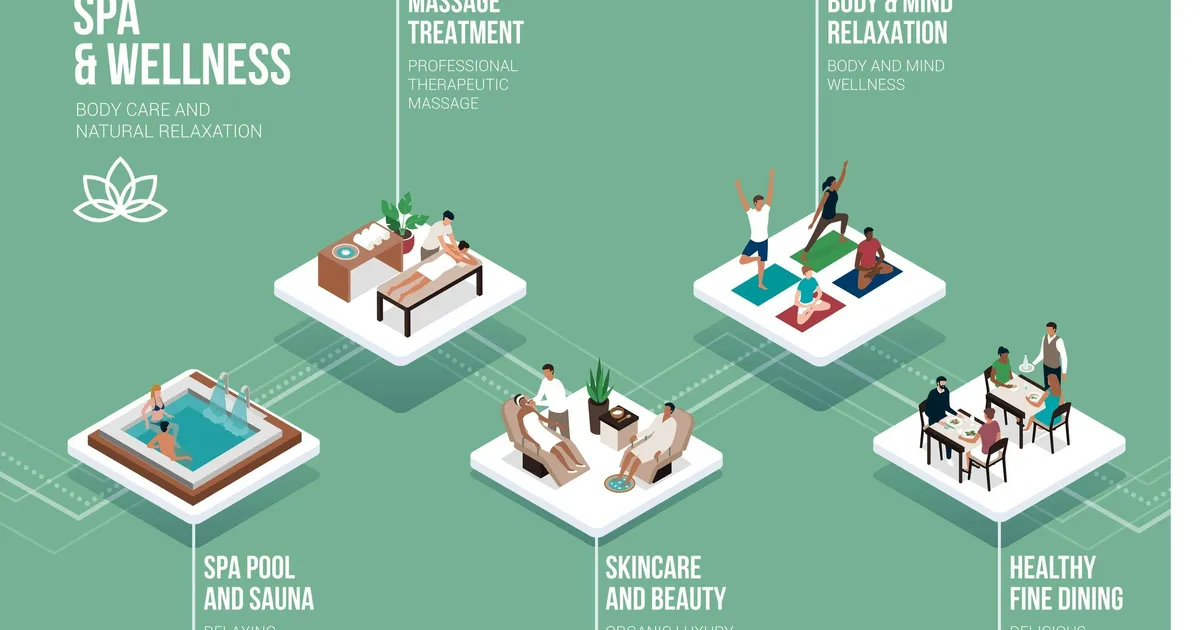
For years, I chased fleeting notions of “wellness,” believing it was about green smoothies and intense gym sessions. It wasn’t until I hit a wall of burnout, despite ticking all those boxes, that I truly understood: wellness isn’t a checklist; it’s a symphony. It’s about creating a harmonious life where every note—mental, physical, emotional, and spiritual—plays in tune. This isn’t just about avoiding illness; it’s about thriving, finding genuine joy, and building resilience. This complete wellness lifestyle guide aims to help you craft a balanced living and stress-free routine that feels authentic to you, not just another trend you’re trying to keep up with in 2026.
Nourish Your Body, Energize Your Life
Our physical body is the vessel for our entire experience, and how we fuel and move it profoundly impacts our mental clarity, emotional stability, and overall energy levels. Think of food not just as sustenance, but as information for your cells. Prioritizing whole, unprocessed foods—vibrant fruits, leafy greens, lean proteins, and healthy fats—can dramatically improve digestion, stabilize blood sugar, and provide a steady stream of energy, averting those afternoon slumps. Hydration is equally crucial; often, what we perceive as hunger or fatigue is simply a signal of dehydration. Making conscious choices about what enters your body sets a foundational tone for comprehensive well-being.
Beyond nutrition, consistent movement is non-negotiable for a truly balanced lifestyle. This doesn’t mean punishing workouts, but rather finding activities that bring you joy and elevate your heart rate. Whether it’s a brisk walk in nature, a dance class, swimming, or strength training, regular physical activity boosts mood, improves sleep quality, and strengthens your cardiovascular system. Aim for a blend of cardio, strength, and flexibility throughout your week. Even short bursts of movement, like stretching or taking the stairs, accumulate and contribute to better circulation and reduced stiffness, helping you feel more vibrant and resilient day-to-day.
Cultivating Inner Peace and Mental Clarity
In our fast-paced world, protecting our mental health is paramount. A complete wellness lifestyle guide would be incomplete without addressing the mind. Practicing mindfulness and meditation offers a powerful antidote to stress, allowing us to observe our thoughts without judgment and find moments of stillness amidst the chaos. Just five to ten minutes a day can reframe your perspective, enhance focus, and reduce anxiety. Consider journaling as well; it’s an incredible tool for processing emotions, identifying patterns, and gaining clarity on challenges, acting as a personal confidante that helps declutter your mental space.
Beyond formal practices, consciously integrating gratitude into your daily routine can profoundly shift your outlook. Taking a moment each morning or evening to list three things you’re genuinely thankful for can rewire your brain for positivity, fostering a more optimistic and resilient mindset. This isn’t about ignoring difficulties, but rather acknowledging the good alongside the bad, helping to build emotional reserves. Furthermore, setting healthy boundaries—learning to say no to commitments that drain your energy and yes to activities that rejuvenate you—is a crucial act of self-preservation that guards your mental peace.
Digital Detox for Enhanced Presence
The constant barrage of notifications and endless scrolling can fragment our attention and elevate stress. Implementing regular digital detox periods, even short ones, can significantly improve mental clarity and reduce feelings of overwhelm. Try designating “no-phone zones” in your home, or commit to an hour each evening screen-free. This practice allows your mind to truly rest, engage with your immediate surroundings, and foster deeper connections with those around you, rather than being perpetually pulled into the digital realm.
Building Strong Connections and Community
Humans are inherently social creatures, and genuine connection is a cornerstone of a complete wellness lifestyle. Nurturing meaningful relationships with family, friends, and community members provides a vital support system, reduces feelings of isolation, and can even extend longevity. Make time for face-to-face interactions, engage in active listening, and offer your support to others. These bonds create a sense of belonging and purpose, reinforcing our inherent need for connection.
Beyond personal relationships, consider how you engage with your wider community. Volunteering, joining clubs, or participating in local events can expand your social circle and provide a sense of contribution. Giving back has a powerful reciprocal effect, boosting your own well-being by fostering empathy and reducing self-focus. Remember, quality over quantity matters; a few deep, authentic connections are far more beneficial than a large network of superficial acquaintances. The strength of your social fabric is a profound indicator of overall wellness, especially as we look towards a more connected world in 2026.
Optimizing Your Environment for Well-being
Our physical surroundings significantly influence our mood, productivity, and stress levels. A clutter-free, organized home can reduce mental fatigue and create a sense of calm. Take time to declutter regularly, creating designated spaces for everything. Additionally, integrating natural elements like plants, natural light, and fresh air into your living and working spaces can enhance focus, reduce stress, and improve overall air quality. A tidy, intentional environment serves as a peaceful sanctuary rather than a source of subtle, ongoing stress.
Crucially, prioritizing quality sleep is a non-negotiable pillar of wellness often overlooked. It’s during sleep that our bodies repair, minds consolidate memories, and hormones rebalance. Aim for 7-9 hours of uninterrupted sleep each night. Establish a consistent sleep schedule, create a dark, cool, and quiet bedroom environment, and avoid screens an hour before bed. Good sleep hygiene isn’t a luxury; it’s a fundamental biological necessity that underpins every other aspect of a balanced and stress-free routine. For more insights on sleep, the National Sleep Foundation offers excellent resources.
Embracing Purpose and Continuous Growth
True wellness extends beyond physical and mental health to encompass a sense of purpose and ongoing personal development. Identifying what truly motivates you and aligning your daily actions with your core values can bring profound fulfillment. This doesn’t necessarily mean a grand career change; it could be dedicating time to a passion project, learning a new skill, or simply finding meaning in your daily tasks. A sense of purpose provides direction and resilience, helping you navigate life’s inevitable challenges with greater strength.
Life is a journey of continuous learning and evolution. Embrace a growth mindset, viewing challenges as opportunities for development rather than insurmountable obstacles. This could involve reading widely, taking online courses, or engaging in reflective practices that deepen your self-awareness. Stepping outside your comfort zone, even in small ways, fosters resilience and expands your capabilities. Cultivating this spirit of lifelong learning and self-improvement is key to maintaining vitality and preventing stagnation, ensuring your complete wellness lifestyle guide remains dynamic and enriching.
Key Takeaways
- Holistic Approach is Essential: True wellness is a symphony of physical, mental, emotional, and social health, not just a single component. Neglecting one area can impact the others, emphasizing the need for a balanced, integrated approach to daily living.
- Mindfulness and Gratitude are Powerful Tools: Incorporating daily practices like meditation, journaling, and gratitude can significantly reduce stress, improve mental clarity, and foster a more positive and resilient outlook on life.
- Nurture Connections and Community: Strong, meaningful relationships and active participation in your community provide crucial support systems, reduce isolation, and contribute profoundly to emotional well-being and a sense of belonging.
- Prioritize Sleep and Environment: Quality sleep is foundational for all bodily functions, while an organized, natural, and clutter-free environment can drastically reduce daily stress and enhance overall peace and productivity.
Frequently Asked Questions
How can I start implementing a complete wellness lifestyle without feeling overwhelmed?
Begin with small, manageable changes that feel sustainable. Instead of overhauling everything at once, pick one area—like adding a 15-minute walk daily or practicing 5 minutes of mindfulness—and stick with it until it becomes a habit. Gradually build from there, focusing on consistency over intensity. Remember, even small steps accumulate into significant progress over time.
What is the most effective way to reduce stress daily?
The most effective way to reduce stress daily often involves a combination of strategies. Deep breathing exercises, short meditation breaks, regular physical activity, and ensuring adequate sleep are highly impactful. Also, identifying your personal stress triggers and developing coping mechanisms, such as setting boundaries or delegating tasks, can be incredibly beneficial. Harvard Health offers many resources on stress management techniques.
Is it possible to maintain a stress-free routine with a demanding job?
While completely stress-free might be an ideal, maintaining a balanced and low-stress routine with a demanding job is absolutely achievable. It requires intentional planning, clear boundaries between work and personal life, effective time management, and prioritizing self-care activities. Learning to say no, delegating when possible, and scheduling breaks are vital. Focusing on what you can control and letting go of what you can’t is also key.
How does diet impact mental health in a complete wellness lifestyle?
Diet profoundly impacts mental health. A diet rich in whole foods, healthy fats (like omega-3s), and probiotics supports brain health and neurotransmitter function, which are crucial for mood regulation. Conversely, diets high in processed foods, sugar, and unhealthy fats can lead to inflammation and imbalances that negatively affect mood, energy, and cognitive function. Eating well is truly feeding your mind.
Conclusion
Embracing a complete wellness lifestyle isn’t about perfection; it’s about making conscious, consistent choices that nurture every facet of your being. It’s a journey of self-discovery and continuous refinement, leading to a life rich in balance, resilience, and genuine joy. By prioritizing your physical, mental, emotional, and social health, you’re not just surviving; you’re truly thriving, creating a stress-free routine that empowers you to live vibrantly, not just for today but for a fulfilling future in 2026 and beyond. Start today, one intentional step at a time.